Agreed Value vs. ACV: Why It Matters for Your Custom Truck
By Josh Cotner
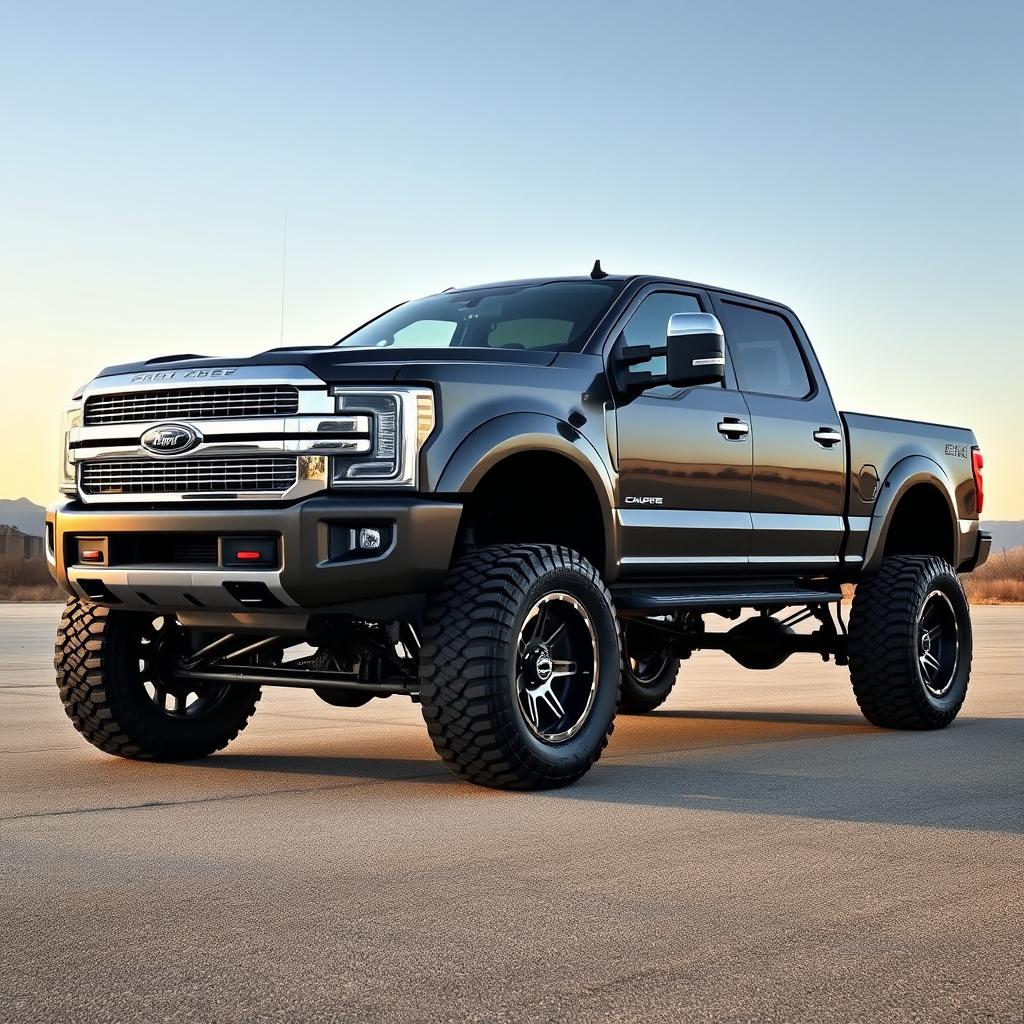
When you've put serious money into a custom truck — lift kit, aftermarket wheels, suspension work, light bars, a custom exhaust — the last thing you want is to find out your insurance policy doesn't cover what you built.
That's exactly what happens when you're on an actual cash value (ACV) policy. And it's why agreed value coverage exists.
What Is Actual Cash Value?
ACV is the most common payout method in personal auto insurance. In a total loss, ACV = replacement cost minus depreciation.
Here's the problem: depreciation doesn't care what you've built.
A standard ACV policy looks at your truck as a vehicle, checks the Kelley Blue Book value, applies depreciation for age and mileage, and writes you a check. Your $6,000 lift kit? Your $3,500 custom wheels? Your $2,200 light bar package? Probably not included — or seriously undervalued.
For a stock truck owner, ACV is fine. For a custom truck owner, it can mean getting paid $25,000 on a truck you have $75,000 invested in.
What Is Agreed Value?
Agreed value is exactly what it sounds like: before the policy starts, you and the insurer agree on the total insured value of the truck.
You document your base vehicle value plus all modifications. We review the list, verify the values, and set an agreed value on the policy. If your truck is totaled, you get that exact amount — no depreciation, no argument.
This is especially critical for:
- Heavily modified trucks where the build value exceeds any reasonable book value
- Show trucks where custom paint, fabrication, and aesthetics represent significant investment
- Performance builds where engine work, tuning, and drivetrain upgrades add tens of thousands
- Lifted trucks where suspension components, wheels, and tires can easily add $15,000–$30,000
The Documentation Advantage
One of the underrated benefits of agreed value coverage is the documentation process.
When we write an agreed value policy, we go through your modification list in detail — receipts, appraisals, photos. That documentation becomes part of your policy file.
When a claim happens, there's no negotiation about what was on your truck. The list is on file. The values are agreed. The payout is predetermined.
With ACV, every claim becomes a negotiation — and insurance adjusters are paid to minimize payouts, not maximize them.
How to Get Agreed Value Coverage
- Document your modifications — gather receipts, photos, and appraisals for every aftermarket upgrade
- Request an agreed value quote — not all carriers offer this, and not all agents know to ask for it
- Review the agreed value — make sure the number reflects your actual investment
- Update it when you modify — if you add new upgrades, update your agreed value mid-term
Custom Truck Insurance specializes in agreed value policies for modified vehicles. We've seen too many truck owners get burned by ACV policies that treated their custom build like a stock truck.
Call us at (844) 967-5247 or get a quote online. We'll document your build and make sure you're covered for what it's actually worth.
Need this coverage for your business?
Get a real quote in about 15 minutes — we shop A-rated specialty ag markets.